

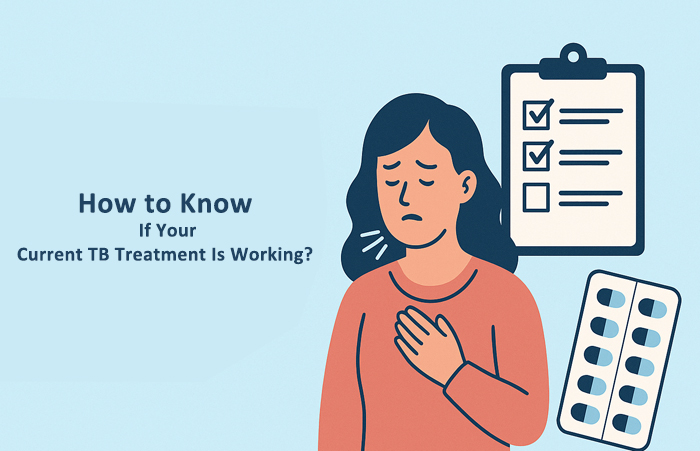
Tuberculosis (TB) is a long-term infection that requires months of consistent treatment. One of the most common questions patients ask is: “How do I know if my TB treatment is actually working?” Since TB medicines take time to show their full effect, understanding the signs of improvement—and warning signs of treatment failure—is extremely important.
Under the care of an Infectious Diseases Specialist like Dr. Surabhi Madan, TB treatment is closely monitored to ensure that the medicines are effective, safe, and giving you the best chance of a complete cure. Here’s how you can know whether your TB treatment is working well.
1. Your Symptoms Start Improving Gradually
TB symptoms usually begin improving within a few weeks of starting treatment. Some key positive signs include:
✔ Reduction in cough (in patients with Pulmonary TB)
Your cough becomes less intense, less frequent, and gradually more manageable.
✔ Fever starts settling
The daily evening or night fevers start reducing.
✔ Appetite improvement
You feel hungrier than before—or at least, your appetite returns to normal.
✔ More energy
Fatigue reduces, and you feel more active throughout the day.
These gradual improvements show that your body is responding well to the anti-TB medicines.
2. Weight Stabilizes and Then Starts Increasing
Many TB patients lose significant weight before diagnosis. With effective treatment:
- Your appetite improves
- Digestion becomes better
- Weight slowly starts increasing
Weight gain is one of the most reliable signs of recovery.
3. Your Sputum Tests Show Improvement (Pulmonary TB)
This is the most scientifically accurate way to know if treatment is working.
Sputum Conversion Test
Doctors check whether TB bacteria have reduced in your sputum. The test may show:
- Positive → Negative
- Decline in bacterial load
Most patients show sputum conversion within 2 months of proper treatment.
4. Chest X-Ray, CT scan, MRI, USG- Show Gradual Healing
After weeks to months, you may notice:
- Clearing of infection from the site/organ affected by TB
- Reduction of patches/ cavities/ lymph nodes/ granuloma etc
- Better organ condition overall
5. You Experience Fewer Side Effects Over Time
TB medicines may cause nausea or stomach discomfort initially, but as your body adapts:
- Side effects reduce
- You feel more energetic
- Daily activities become easier
If symptoms worsen instead of improving, your treatment needs specialist review.
6. Regular Follow-ups Confirm Progress
An Infectious Diseases Specialist monitors:
- Sputum reports
- Blood tests
- Liver/kidney function
- Weight gain
- Response to medicines
- Side effects or complications
- If needed, levels of TB medicines in the blood are checked
This supervision ensures that your treatment remains effective throughout the course.
7. No New Symptoms Are Appearing
A strong indicator of recovery is when no new symptoms develop. You should NOT experience:
- New or worsening fever
- Breathlessness
- Chest pain
- Blood in sputum
- Weight loss after initial gain
- Relapsing or worsening initial symptoms related to TB
If these appear, immediate evaluation is required.
Warning Signs That Your TB Treatment May NOT Be Working
Seek immediate medical attention if you notice:
- No improvement after 6–8 weeks
- Severe or persistent side effects
- New symptoms appearing
- Continued weight loss
- Positive sputum even after 2–3 months
- Missed doses or irregular treatment
These may indicate incorrect dosage or poor compliance to medicines, complications, or drug-resistant TB.
Complete Your TB Treatment Fully
Stopping medicines early can lead to:
- Relapse
- Drug resistance
- Prolonged illness
- Spread of infection to others
Always complete the course exactly as advised.
Final Takeaway
Your TB treatment is working when:
- Symptoms reduce
- Weight increases
- Sputum tests improve
- Radiological investigations show healing
- Energy returns
- Your doctor confirms progress
For expert TB management and faster recovery, always consult a specialist.
📞 For Appointments: 096646 30466
Consult Dr. Surabhi Madan at Tathaagat Infectious Diseases Clinic for specialised TB care.