

Tuberculosis (TB) is a serious infection that requires timely diagnosis and correct treatment. Many people delay seeing a specialist because they assume it is a “regular cough” or a “common fever” or that their symptoms will improve on their own. However, TB can worsen silently, spread to others, and even become drug-resistant if not treated properly. Knowing the warning signs can help you get the right care at the right time.
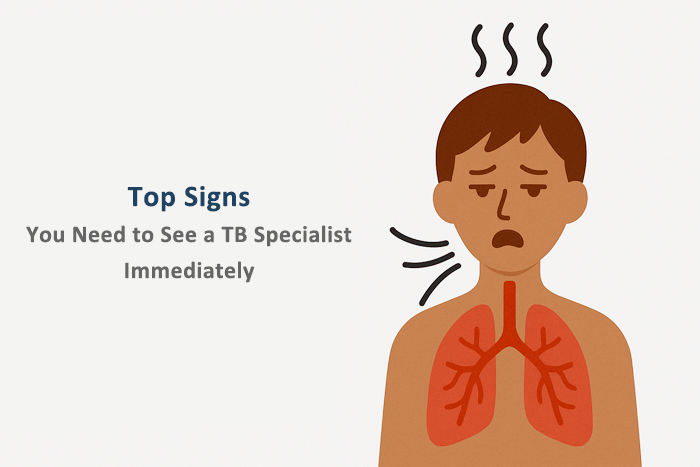
Here are the top signs you must consult a TB Specialist or Infectious Diseases Specialist immediately, especially an expert like Dr. Surabhi Madan at Tathaagat Infectious Diseases Clinic, Ahmedabad.
1. Persistent Cough for More Than 2–3 Weeks
A cough lasting more than 15–20 days—especially if it is dry, irritating, or productive—is one of the most common early symptoms of Pulmonary TB. If you notice:
- Cough not improving with regular medicines
- Cough worsening at night
- Cough accompanied by chest discomfort
It is important to get evaluated immediately.
2. Unexplained Fever, Especially Night Fever
TB often causes:
- Low-grade fever
- Evening or night-time fever
- Fever lasting for weeks or months
Many patients ignore this, mistaking it for viral infections. But persistent fever demands a specialist’s evaluation.
3. Sudden Weight Loss or Loss of Appetite
If you are losing weight without trying, irrespective of other symptoms including fever; or if your appetite has significantly reduced, TB could be a possible cause. This sign should never be ignored because:
- It indicates active disease
- It may signal advanced TB
- It affects your immunity and recovery
4. Fatigue, Weakness, and Low Energy Levels
Persistent tiredness despite rest may be an early sign of TB. If daily activities suddenly feel exhausting, it is time to get checked.
5. Coughing Up Blood (Even Small Amounts)
Blood in sputum is a red-flag sign. Even streaks of blood require immediate evaluation because they may indicate:
- Advanced pulmonary TB
- Lung cavities
- Severe infection or inflammation
This is not a symptom to wait on.
6. Chest Pain or Shortness of Breath
Pulmonary/ pleural/ Pericardial TB can present with-
- Sharp chest pain
- Difficulty breathing
- Discomfort while coughing or deep breathing
These signs mean the infection may be worsening.
7. TB Symptoms with Diabetes, HIV, or Immunity Issues
People with low immunity need immediate specialist care because TB progresses much faster in them. You should see an ID specialist if you have:
- Diabetes
- HIV
- Chronic kidney or liver issues
- Autoimmune disorders
- Long-term steroid use
These conditions make TB more aggressive and harder to treat without expert supervision.
8. Symptoms Not Improving After Initial Treatment
If you started TB medicines but still have:
- Persistent fever
- Ongoing weight loss
- Cough not reducing
- Side effects to medications
You need immediate specialist assessment. This may indicate drug resistance, incorrect dosage, or complications.
9. Family Member Diagnosed with TB
Close contact with a confirmed TB patient increases your risk. Even if you have no symptoms, a specialist can recommend screening or preventive therapy.
10. Recurrent or Past TB Infection
If you previously had TB and symptoms reappear, immediate specialist care is essential to prevent:
- Relapse
- Drug-resistant TB
- Severe complications
Take Action Early — TB Treatment Is Most Successful When Started on Time
An Infectious Diseases Specialist ensures:
- Accurate diagnosis
- Correct treatment regimen
- Monitoring for side effects
- Prevention of drug-resistant TB
- Faster recovery and improved immunity
If you notice any of the symptoms above, don’t delay.
Visit Dr. Surabhi Madan at Tathaagat Infectious Diseases Clinic for expert TB evaluation and treatment. Early care leads to faster cure and protects your family from infection.