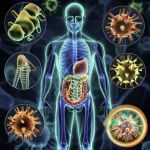



Tuberculosis (TB) can affect various parts of the body, leading to a wide range of specific conditions, each with its own symptoms and challenges. From pulmonary TB affecting the lungs to rare forms like testicular or perianal TB, the infection can manifest in different organs, requiring tailored approaches for diagnosis and treatment. Understanding these diverse TB conditions is crucial for timely intervention and effective management. In this article, we explore the different types of TB, their unique characteristics, and the importance of specialized care for each condition to ensure better outcomes and recovery. Have questions aboutTB testing? Our TB specialists at Tathaagat Clinic are here to provide you with the most reliable information!
📞 Call us at: +91 96646 30466
Abdominal TB:
Abdominal tuberculosis affects the intestines and peritoneum, leading to symptoms such as abdominal pain, bloating, and diarrhea. Early diagnosis and treatment are essential to prevent
complications such as intestinal obstruction.
Active Pulmonary Tuberculosis:
Active pulmonary tuberculosis primarily targets the lungs and is highly contagious. Symptoms include persistent cough, night sweats, and weight loss, requiring immediate medical attention
for treatment and to prevent transmission.
Anti-Tuberculous Treatment (AKT):
AKT refers to the medications used to treat TB. First line AKT includes such as Rifampicin, Isoniazid, Pyrazinamide, and Ethambutol. A proper course of these drugs is crucial for
successful treatment and to prevent drug resistance.
Avian Tuberculosis:
Avian tuberculosis is a rare form of TB caused by Mycobacterium avium, typically affecting individuals with weakened immune systems.
Bone Tuberculosis:
Bone tuberculosis most commonly affects the spine, leading to pain, swelling, and sometimes deformities. Early detection is critical to avoid permanent damage to the bones and joints.
Brain Tuberculosis:
Brain tuberculosis, or tuberculous meningitis, is a life-threatening infection that affects the meninges of the brain. Symptoms include severe headaches, confusion, and neurological
deficits, requiring immediate treatment to prevent long-term damage.
Breast Tuberculosis:
Breast tuberculosis presents as lumps or abscesses in the breast tissue, often mistaken for cancer. It is treated with anti-TB medications, and in severe cases, surgery may be required to
drain abscesses.
Cavitary Pulmonary Tuberculosis:
Cavitary pulmonary tuberculosis involves the destruction of lung tissue and formation of cavities in the lungs, making it more severe and contagious. It often results in a chronic cough, chest
pain, and coughing up blood, requiring a prolonged course of treatment. This kind of TB can end up in permanent lung damage if not treated on time.
CNS Tuberculosis:
CNS tuberculosis involves the central nervous system, causing severe neurological symptoms like seizures and paralysis. It requires aggressive treatment with anti-TB medications to prevent
permanent brain damage.
Congenital Tuberculosis:
Congenital tuberculosis is a rare but serious condition where a newborn contracts TB from the mother during pregnancy or childbirth. It can lead to severe respiratory distress and other life-
threatening complications if not treated immediately.
Cutaneous Tuberculosis:
Cutaneous tuberculosis manifests as skin lesions or ulcers, often misdiagnosed as other skin diseases. It requires prompt anti-TB treatment to prevent further spread and scarring of the skin.
Dormant Tuberculosis:
Dormant tuberculosis refers to the TB bacteria being present in the body but inactive, without causing symptoms. While not contagious, it can become active later in life, especially if the
immune system is weakened.
Drug-Resistant Tuberculosis (DR-TB):
DR-TB refers to TB strains that do not respond to standard treatment, making it more difficult to treat. Treatment of DR-TB is challenging and requires specialized therapy with second-line
medications.
Endometrial Tuberculosis:
Endometrial tuberculosis affects the uterus and can cause infertility or irregular menstruation. It is treated with anti-TB medications and may require surgical intervention in severe cases.
Extra Pulmonary Tuberculosis:
Extra pulmonary tuberculosis occurs outside of the lungs, and can affect almost any organ of the body. It requires specialized treatment based on the affected organ system.
Gastrointestinal Tuberculosis:
Gastrointestinal tuberculosis can affect the intestines and less commonly esophagus, and can lead to symptoms like chronic diarrhea, weight loss, abdominal pain, chest burn, painful
swallowing. Treatment often includes a combination of anti-TB drugs for several months.
Hepatic Tuberculosis:
Hepatic tuberculosis affects the liver, causing symptoms such as jaundice, abdominal pain, and loss of appetite. Treatment involves a combination of anti-TB medications and sometimes
surgical drainage.
Ileocaecal Tuberculosis:
Ileocaecal tuberculosis affects the ileum and cecum of the intestines, causing symptoms like abdominal pain, bloating, and weight loss. Early detection and treatment are essential to
prevent complications like intestinal perforation.
Kidney/Renal Tuberculosis:
Kidney tuberculosis can cause painful urination, blood in the urine, and kidney damage. It requires long-term antibiotic treatment and may sometimes necessitate surgery.
Knee Joint Tuberculosis:
Knee tuberculosis leads to pain, swelling, and potential joint destruction. It can cause disability if not treated promptly and often requires a combination of anti-TB medication and surgery for
severe cases. Though knee joint is the most commonly involved, TB can infect any other joint.
Laryngeal Tuberculosis:
Laryngeal tuberculosis affects the voice box and throat, leading to symptoms such as hoarseness, difficulty swallowing, and a persistent cough. Treatment involves AKT. and surgical
intervention may be necessary in severe cases.
Latent Tuberculosis Infection:
Latent tuberculosis infection occurs when the TB bacteria are present but inactive, without causing symptoms. It is not contagious, but it can reactivate if the immune system is weakened.
Lymph Node Tuberculosis (LNTB) / Tuberculous Lymphadenitis:
Lymph node tuberculosis affects the lymph nodes, leading to usually painless swelling, and sometimes collection of pus making them painful. LNTB can involve cervical (neck), axillary
(arm pit), chest, abdominal and other lymph nodes. It typically requires a combination of anti-TB drugs for successful treatment and may need multiple interventions including pus drainage,
excision of lymph nodes.
MDR Tuberculosis:
Multidrug-resistant tuberculosis (MDR-TB) occurs when the TB bacteria do not respond to the two most commonly used anti-TB drugs, Rifampicin and Isoniazid. MDR-TB requires specialized
treatment with second-line drugs, often over a prolonged period.
Miliary Tuberculosis:
Miliary tuberculosis is a severe form of TB where the bacteria spread throughout the body, affecting multiple organs. It causes symptoms like fever, fatigue, and weight loss and requires
intensive treatment.
Mycobacterium tuberculosis:
MTB (Mycobacterium tuberculosis) is the bacterium responsible for causing tuberculosis.
Non-Tuberculosis Mycobacteria:
Non-tuberculosis mycobacteria (NTM) refer to mycobacterial infections caused by species other than Mycobacterium tuberculosis. While not contagious, these infections can cause chronic lung
disease, especially in immunocompromised individuals. They can also cause infections after various kinds of surgeries. Though the treatment of NTM infections includes a combination of
multiple medications, it is different from AKT.
Ocular Tuberculosis:
Ocular tuberculosis affects the eyes, leading to symptoms like vision loss, redness, and pain. Early diagnosis and treatment with anti-TB medications are essential to prevent permanent
damage to the eyes.
Osteoarticular Tuberculosis:
Osteoarticular tuberculosis affects bones and joints, causing pain, swelling, and stiffness. It often involves the spine and other joints, and requires long-term treatment to prevent deformity
and functional impairment.
Pelvic Tuberculosis:
Pelvic tuberculosis affects the reproductive organs, leading to symptoms like pelvic pain, irregular menstruation, and infertility. It can cause significant reproductive health issues if not
treated properly.
Perianal Tuberculosis:
Perianal tuberculosis involves the skin around the anus, leading to lesions or abscesses. It requires careful diagnosis and anti-TB treatment to avoid complications like fistula formation.
Peritoneal Tuberculosis:
Peritoneal tuberculosis affects the lining of the abdomen, leading to abdominal pain, bloating, and sometimes fluid accumulation. It requires early diagnosis and a combination of anti-TB
medications.
Pleural TB:
Pleural tuberculosis affects the pleura, the lining around the lungs, causing pleuritic chest pain and shortness of breath. It requires AKT and, in some cases, drainage of pleural fluid.
Post Tuberculous Sequelae:
Post-tuberculous sequelae refer to long-term complications following TB treatment, such as lung scarring, chronic respiratory issues, weakness of the limbs etc. Ongoing medical care and
rehabilitation are important to manage these issues.
Pulmonary Tuberculosis:
Pulmonary tuberculosis primarily affects the lungs, leading to symptoms like chronic cough, night sweats, and chest pain. It can be highly contagious and requires immediate treatment to
prevent spreading.
Skeletal Tuberculosis:
Skeletal tuberculosis affects bones and joints, often causing pain, deformity, and functional disability. Timely treatment is crucial to prevent permanent damage and disability.
Skin Tuberculosis:
Skin tuberculosis involves the skin and can present as ulcers, lumps, or abscesses. It requires anti-TB medications and may need surgical intervention for draining abscesses.
Splenic Tuberculosis:
Splenic tuberculosis affects the spleen, often leading to abdominal pain, fever, and splenomegaly. Treatment involves anti-TB medications and, in some cases, surgery to remove
the spleen if severely affected.
Testicular Tuberculosis:
Testicular tuberculosis is a rare form of TB that affects the testes, causing swelling, pain, and sometimes infertility. It requires long-term anti-TB treatment, and in some cases, surgical
removal of the affected tissue.
Tuberculous Meningitis:
Tuberculous meningitis affects the meninges of the brain and spinal cord, causing headaches, fever, and neurological symptoms. Immediate treatment is necessary to prevent brain damage
and death.
Tuberculous Pericardial Effusion:
Tuberculous pericardial effusion occurs when TB infection spreads to the pericardium, causing fluid accumulation around the heart. It can be life-threatening. Treatment needs prolonged AKT,
and in severe cases, surgery to drain the fluid.
Tuberculous Pericarditis:
Tuberculous pericarditis is a serious complication of TB affecting the heart's lining, causing chest pain, fever, and difficulty breathing. Early diagnosis and treatment with anti-TB drugs are
essential for preventing heart damage.
Tuberculous Pleural Effusion:
Tuberculous pleural effusion involves fluid buildup in the pleura due to TB infection. It often causes breathing difficulties, and treatment includes anti-TB medications along with drainage of
the pleural fluid.
Tuberculous spondylodiscitis (Koch’s spine/Pott’s spine):
TB in the spinal cord can lead to severe neurological deficits, including paralysis. Early detection and treatment with anti-TB medications are essential to prevent permanent nerve damage.
Urogenital Tuberculosis:
Urogenital tuberculosis affects the urinary and reproductive systems, causing symptoms like painful urination, blood in the urine, and infertility. Anti-TB medications are crucial for treatment,
along with regular follow-up to prevent complications.
Are you experiencing symptoms of tuberculosis or concerned about your health? Reach out to our expert infectious disease team at Tathaagat Infectious Disease Clinic. Call 9664630466 to
schedule your consultation and start your path to recovery and being TB-free!